

In 2016, Samsung launched its Smart Family Hub refrigerator line. It had cameras that could see what was inside, machine vision that could tell when you were running low on milk, and integrations with online grocery partners so you could order replacements right from its touchscreen.
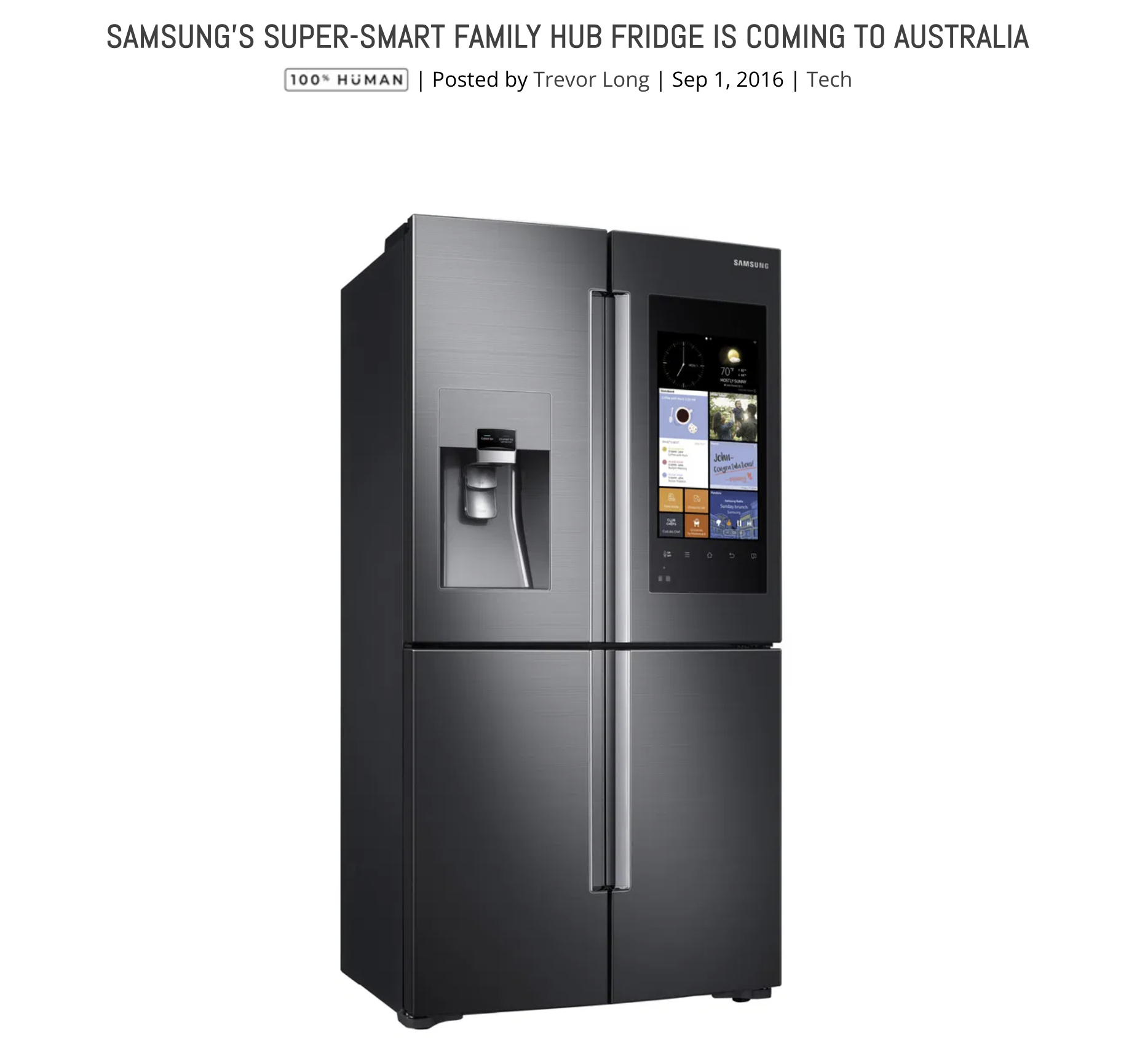
For Rhea, a thirty-something marketer and mother of two in Mumbai, it felt like the perfect upgrade. She was busy, tech-savvy, and loved being first to try new technologies. For a few weeks, it was a novelty — she’d order her groceries from the refrigerator screen, letting it suggest recipes and replacements.
But the magic wore off.
The fridge only connected to a handful of upscale grocers — not the local vendors where she usually bought her vegetables. She also to label every new item she put inside so it could “track” expiry dates. Soon, it became just another kitchen gadget.
Rhea has just discovered something new — not a fridge this time, but with a product she already uses every day.
She’s learned that she can now use ChatGPT, Gemini, or Claude to plan and buy her weekly groceries. All she needs to do is connect her account to two services:
BigBasket, one of India’s largest online grocers, is already a launch partner.
Curious, Rhea gives it a try. One Sunday morning, while sipping her coffee, she opens a chat window and types:
“Order my weekly vegetables — usual quantities, and add kale if it’s in season.”
Her agent confirms, finds the best prices, and completes the order through BigBasket.
No fridge touchscreens. No manual labelling. Just a conversation.
Cloudflare has partnered with Visa to launch a similar Trusted Agent Protocol globally.
Bot traffic has surged 4,700% in the U.S. this past year, and a growing share of that is expected to come from “buying agents” — AI systems like Rhea’s. The hope is that by authenticating and verifying these agents at the protocol level, both merchants and consumers can trust digital transactions again.
For e-commerce companies: aesthetics and UI might no longer matter as much, at least not for users shopping through their AI Agent. The chat becomes the interface — invisible, conversational, and deeply contextual.
So the question becomes:
How should you design for maximum customer loyalty when an AI, not a person, does the shopping?
Cloudflare’s new protocol — and UPI Circle in India — can tell merchants whether incoming bot traffic carries genuine purchase intent. Each AI agent now sends a timestamp, session ID, key identifier, and algorithm signature, confirming that the request is legitimate and current.
Initially, this serves as cybersecurity infrastructure, helping merchants differentiate between browsing bots and authorized purchasing agents. But it’s also a new layer of customer insight: merchants can now detect and design around machine intent, is the bot collecting information or buying?
Even in a world of agentic commerce, loyalty still matters — but it shifts form.
If a consumer consents, Cloudflare’s protocol allows merchants to access verifiable consumer identifiers, such as Payment Account References (PARs), loyalty numbers, or emails. That means you can recognize returning customers even if their AI agent places the order.
For Rhea, this could mean BigBasket automatically knows what she bought last week, when her produce will expire, and when to prompt her agent for replenishment.
If she’s not in the loyalty program, then the only human touchpoint left is the packaging — the box that arrives at her door or the box the goods are shipped in. That’s your one chance to connect: a QR code on the label inviting her to join, perhaps with a first-purchase bonus.
In agentic shopping, the product catalogue becomes the most important piece new storefront.
When Rhea’s bot searches for “red Vidalia onions,” it will compare data across multiple grocery sites. The agent doesn’t see brand design or UX — it reads metadata, product descriptions, and delivery options.
If your catalogue is well-structured, richly described, and frequently updated, the agent learns that your data is reliable — and returns more often. In other words, SEO for humans is what builds trust for machines.
As agentic AI enters commerce, brands will need to reimagine customer experience beyond screens and clicks. The value of this segment may be small today, but with Cloudflare and UPI Circle there is a new datapoint to assess this segment’s size and potential.
If you do decide to invest in improving the experience for this customer segment, a few considerations.
For consumers like Rhea, the experience becomes simpler, for the rest of us designing the future of digital commerce — it’s a note, beauty alone no longer converts. Trust, clarity, and meaningful data do.